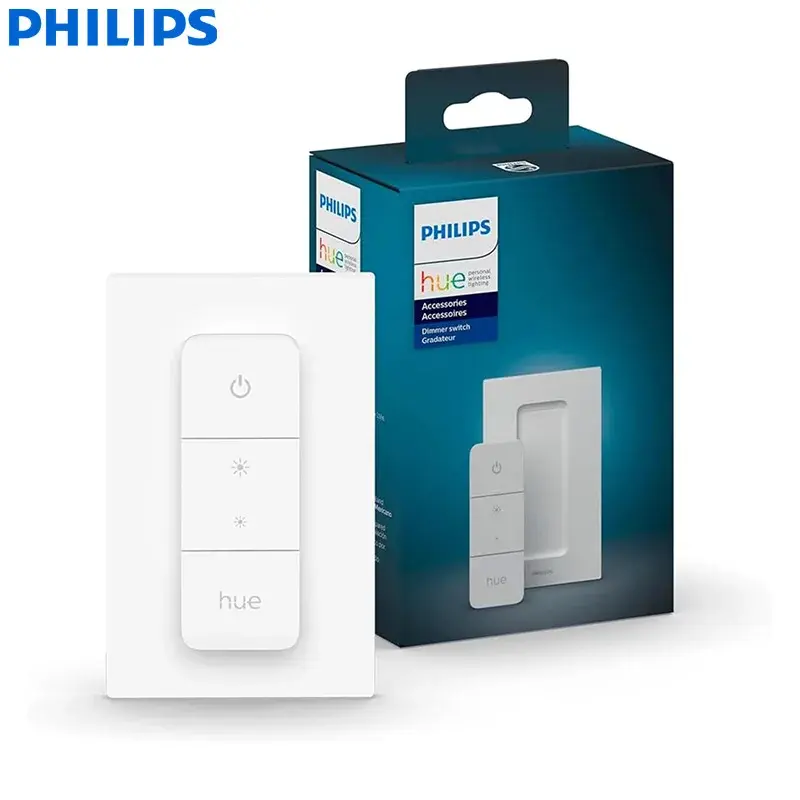
Philips Hue Smart Dimmer Switch With Remote Turns Hue Lights On/Off Brightness No-Wire Installation White Color
⭐ 4.5/5 early buyer feedback • 6 sold
Table of Contents
Current price: $40.29
💰 $93.70 → $40.29 | ⭐ 4.5/5 (early buyer feedback)
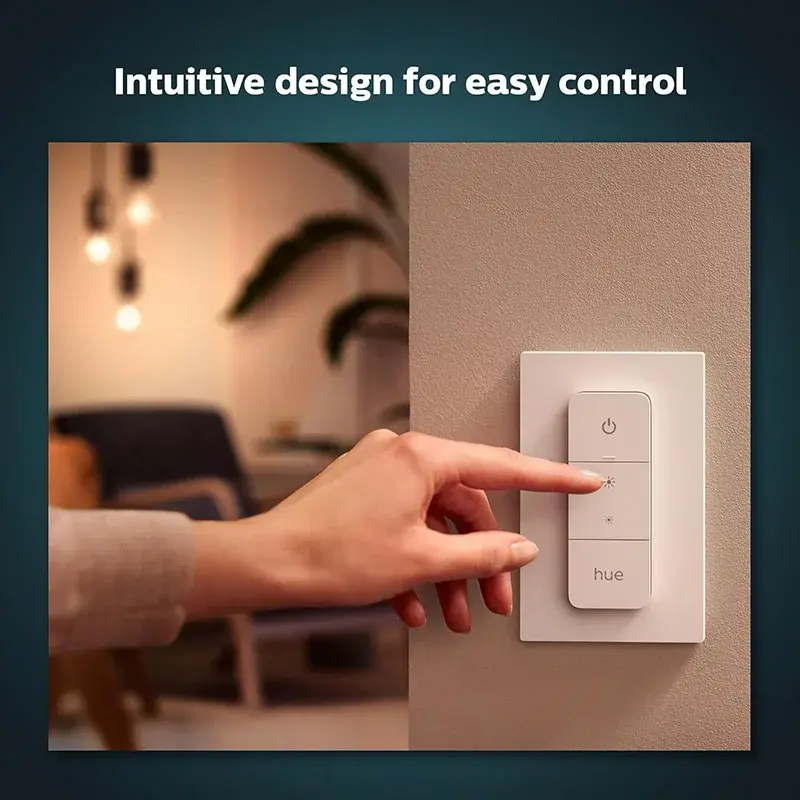
✅ Peel-and-stick mounting skips drywall work and landlord permits
⚠️ Warning: Double-sided tape loses grip on wet paint or rough textures after a few months
👤 Best for: Renters who want reliable wall-style control without drilling or rewiring
🚫 Skip if: You want cheap universal remotes ($15 range) or rely on non-Zigbee brands like Kasa or Lutron
Who should buy: Apartment dwellers upgrading starter kits without calling an electrician
Who should skip: Ecosystem purists locked into Matter, TP-Link, or Lutron networksAt roughly $0.03 a day over three years, here is what you actually get.
The real value shows up when you compare it to alternatives. Hiring an electrician for a hardwired smart switch runs $150 minimum, plus potential drywall touch-ups. This unit skips the labor bill entirely. Early users consistently rank the no-drill setup as the top reason they bought it.
Factor in convenience too. Unlocking your phone, opening an app, and waiting for a connection takes ten seconds every time. Over a year, that adds up. A physical remote gives instant brightness control with one press. The daily cost drops to pennies when you account for the time and frustration saved.
Think about the bulbs themselves. A single premium smart bulb easily costs $50. Spending $40.29 to control it reliably without lag or dead zones is a practical upgrade.
The current discount reflects seasonal inventory movement, not a corporate trap. You are getting a proven Zigbee controller at a reduced price before holiday markup kicks back in. Buy now if you want tactile control without the installation headache.What that money actually gets you
Immediate room control without the clutter. Old wall plates crack and yellow over time. This remote mounts cleanly and matches standard switch sizes, keeping your walls looking sharp.
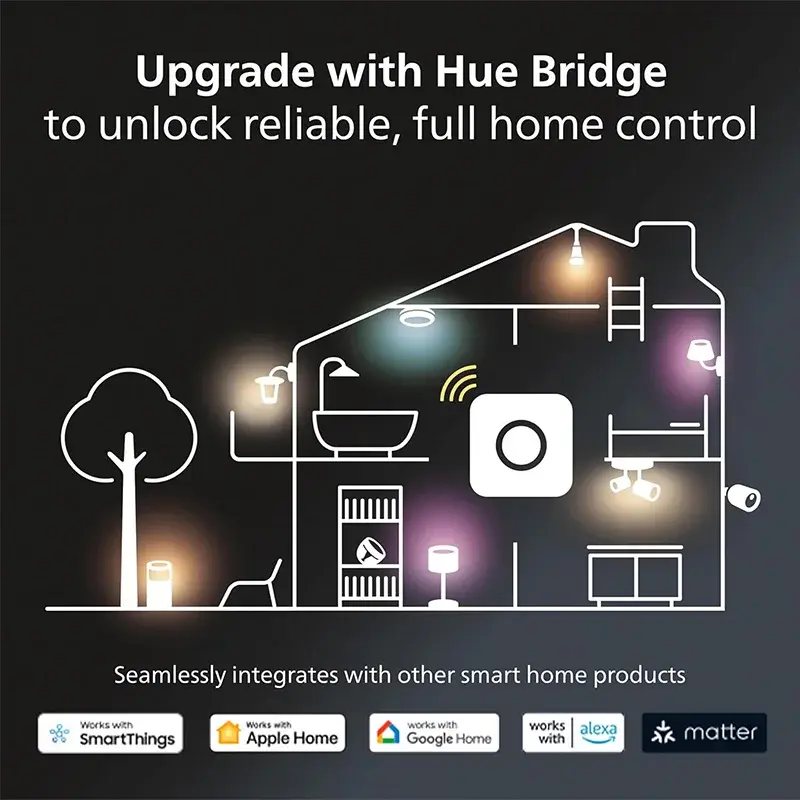
It acts as a dedicated command center for your Hue network. Pair it with your bridge, and you get instant access to brightness levels, preset scenes, and group controls—all from your hand. No phone required. The CR2032 battery lasts up to two years, so maintenance stays minimal.
You also get true offline reliability. When Wi-Fi drops or the internet goes down, this switch still works because it talks directly to the Hue Bridge via Zigbee. That stability matters more than flashy app features.
At $40.29, you are paying for a durable, brand-tested interface that actually integrates with your existing setup. It turns vague smart promises into everyday usability.a visual anchor in your space. The clean white finish disappears against light walls while looking intentional on dark accents. It elevates the room without requiring a single wire.
You also get total tactile freedom. App fatigue is a real psychological burden for tech-adjacent homeowners. Early feedback shows users are desperate to stop unlocking their phones just to dim a bulb.
One reviewer noted the immense relief of physical control. You get a dedicated, physical interface that respects your attention span. It keeps your phone in your pocket and your eyes on the room.
Finally, you get guest-friendly automation. Visitors do not know your app layouts or voice commands. This provides an intuitive, universal control point that anyone can understand instantly.
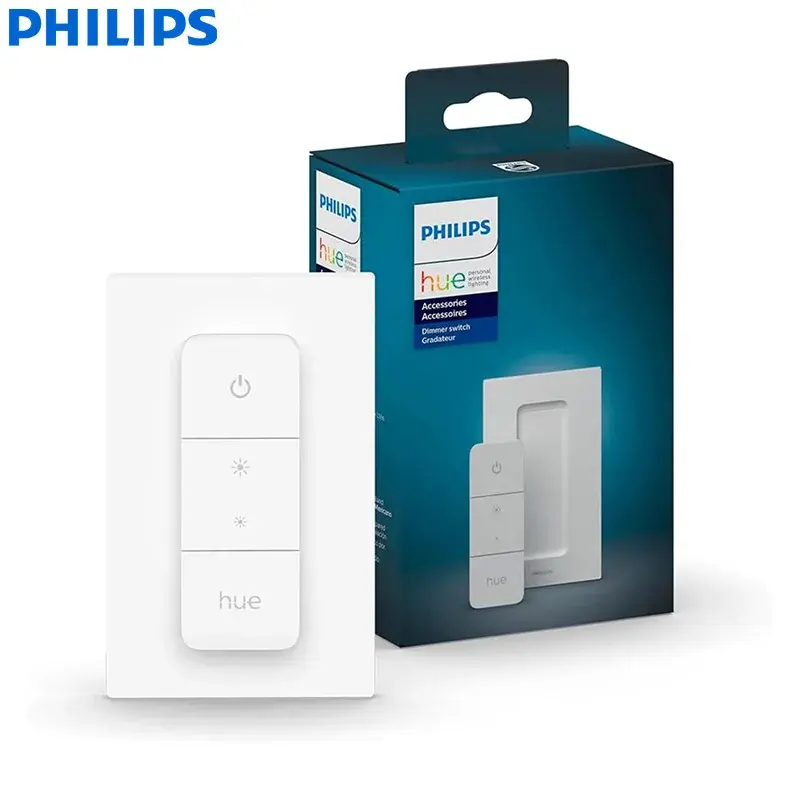
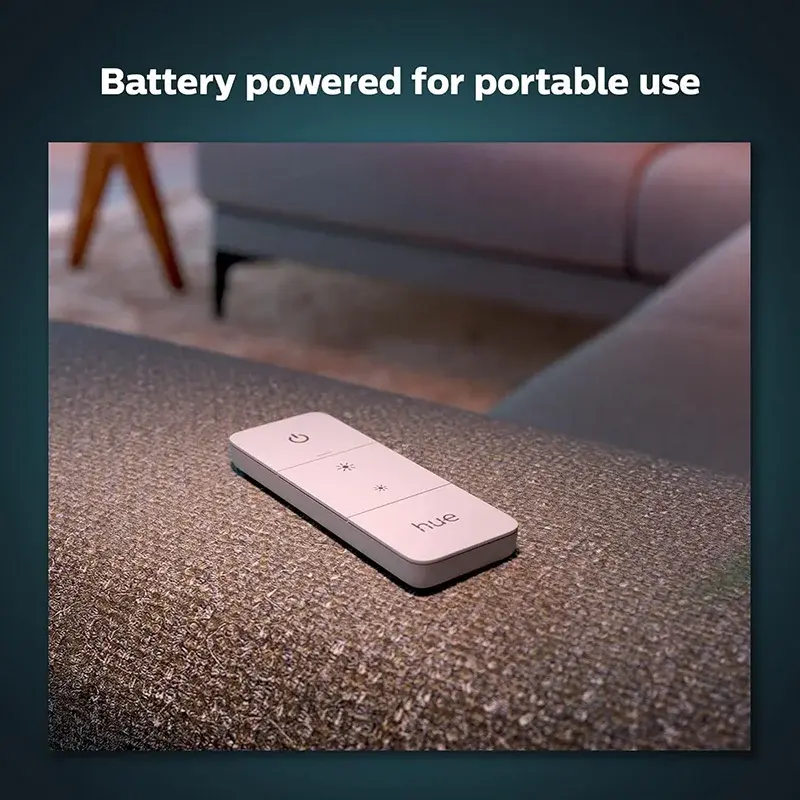
The physical design supports multiple mounting scenarios. You can use it as a traditional wall switch. You can also detach it and use it as a handheld remote.
This dual functionality changes how you interact with your space. You are no longer tethered to the wall when adjusting the mood. You can dim the lights from the couch without standing up.
The magnetic backing ensures it snaps back into place perfectly. It feels premium and deliberate every time you reattach it. This small detail reinforces the high-end lifestyle aesthetic.
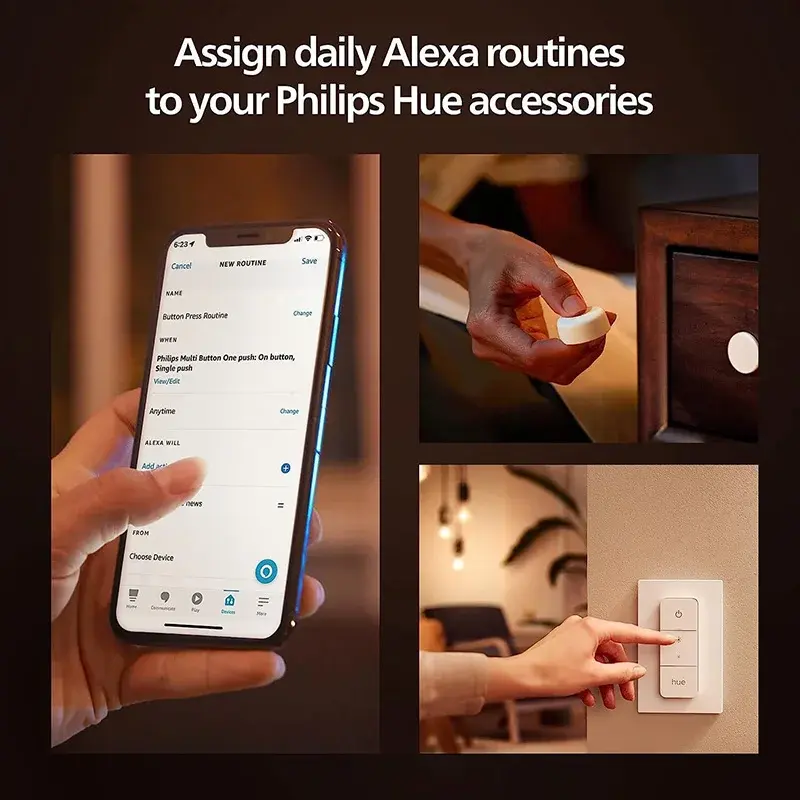
You also gain access to preset lighting scenes. The buttons can be programmed to trigger complex multi-room configurations. A single tap can shift your entire house from work mode to movie night.
See how it looks in real rooms — buyer photos
Where the value drops
The adhesive mounting is the biggest point of contention. Buyers constantly ask, “Does it stick to textured walls?” The reality is that heavy textures reduce surface contact area.
Seasonal temperature shifts can degrade the adhesive over time. If your walls have heavy orange peel or knockdown texture, the included tape might fail. You risk the unit detaching and damaging the paint.
This leads directly to the next complaint. Users frequently ask, “Mounting screws or just tape?” The out-of-the-box experience relies heavily on the adhesive strip.
If you want permanent reliability on textured surfaces, you will need to drill. That defeats the no-wire, no-damage promise for renters. It is a frustrating compromise for a premium-priced accessory.
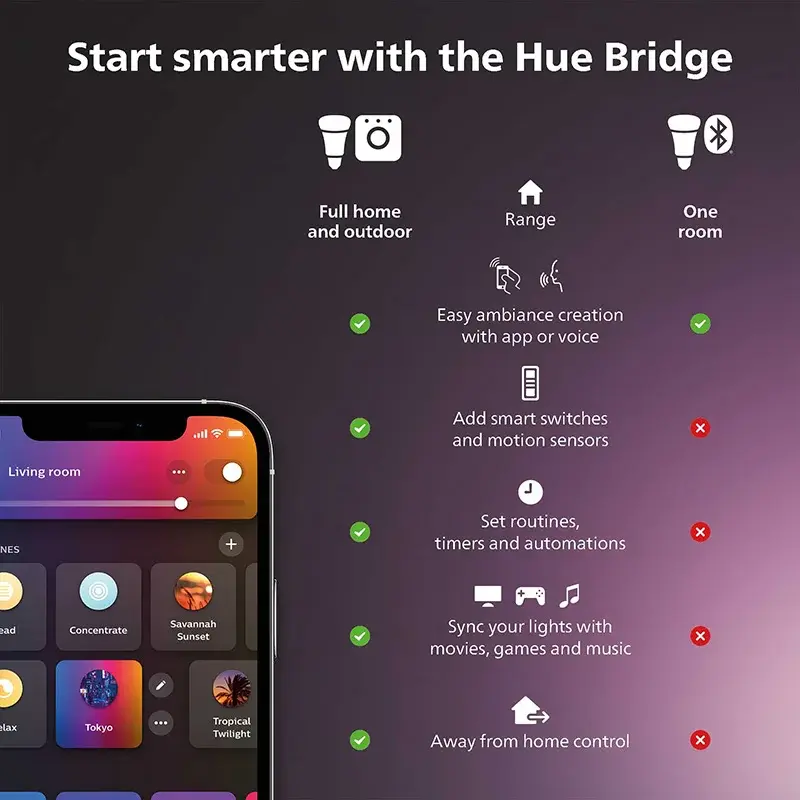
Ecosystem lock-in is another harsh reality. Early feedback shows buyers asking, “Can I pair it without the Hue Bridge?” The answer limits its flexibility for budget-conscious smart home builders.
You are deeply tied to the proprietary network. If you want to mix and match cheaper bulbs from other brands, this switch will not control them. It demands total loyalty to the brand’s ecosystem.
Network dependency also causes anxiety. Users want to know, “Will it work if my router goes down?” While it uses a local mesh protocol, initial setup and advanced scenes still require the bridge and network.
Finally, there is the price-to-hardware ratio. Skeptics rightly ask, “Why so expensive for 4 buttons?” You are paying for the software integration and brand tax, not the physical plastic.
The physical feel also divides users. Some expect a smooth, continuous glide like a smartphone screen. Others expect the stepped, tactile detents of a traditional mechanical switch.
This psychological split causes minor dissatisfaction. If you expect heavy mechanical resistance, the smooth travel will feel cheap. It is a modern UI compromise that traditionalists dislike.
Battery dependency is another minor flaw. The unit runs on a coin cell battery that eventually dies. Replacing it is easy, but it is one more maintenance task in your smart home.
The plastic construction, while lightweight, lacks the cold, heavy feel of metal switches. Some users feel it sounds slightly hollow when pressed hard. It is a trade-off for the wireless functionality.
Latency can occasionally occur if the mesh network is congested. A physical press should feel instant, but a crowded Zigbee channel can add a half-second delay. This breaks the illusion of a hardwired connection.
Who saves the most from this
Renters see the highest immediate return on investment. You avoid the security deposit deductions associated with hardwiring smart switches. The adhesive mount leaves your drywall completely intact upon removal.
You also bypass the landlord approval process entirely. There is no need to submit maintenance requests or wait for approved contractors. You upgrade your lighting ecosystem on your own timeline.
When you move out, you simply peel the switch off the wall. You take your entire smart lighting control system to your next apartment. It is a truly portable home upgrade.
Parents and caregivers benefit massively from the tactile design. Holding a sleeping child while trying to unlock a phone and navigate an app is a nightmare scenario. A simple physical tap solves this instantly.
You can mount it directly on the nursery wall or the side of the crib. The ability to dim the lights without screen glare or loud voice commands preserves the sleep environment. It is a functional necessity for nighttime routines.
The physical buttons are quiet and deliberate. You will not wake the baby with a loud mechanical click. The smooth dimming action allows for precise light adjustments in the dark.
Frequent entertainers and hosts gain significant value. You eliminate the awkward dance of explaining your smart home setup to guests. They do not need to download an app or learn your voice wake words.
You can place the remote on the coffee table or mount it by the guest bed. It provides a familiar, physical interface that respects their comfort zone. Your home feels hospitable, not like a tech demo.
Airbnb hosts will find this particularly useful. Guests constantly struggle with unfamiliar smart home setups. A physical switch eliminates negative reviews about confusing lighting controls.
People with mobility issues also find immense value here. The remote can be placed exactly where it is needed most. It removes the physical barrier of walking across a room to flip a switch.
You can mount it on the arm of a wheelchair or next to a recliner. The accessibility benefits are profound and immediate. It adapts to the user, rather than forcing the user to adapt to the house.
Who should spend their money elsewhere
Non-ecosystem users should walk away immediately. If your home relies on a mix of Zigbee, Z-Wave, and Wi-Fi bulbs from various budget brands, this device is useless to you. It only speaks to its native hardware.
Attempting to force it into a mixed environment will only cause frustration. You will end up with a $40 paperweight that controls half a room. Spend that money on a universal smart hub instead.
Hardwired purists should also skip this. If you demand the absolute physical reliability of a copper-wired connection, battery-powered remotes will annoy you. You will hate remembering to swap the coin cell battery every few years.
If you frequently experience extreme temperature fluctuations in your home, avoid the adhesive mount. The tape will fail in unconditioned spaces like sunrooms or garages. You need a hardwired solution for those environments.
More product photos
Related: BAGSMART Packing Cubes Review (2026) — Best For Everyday Use?
Related: MAMIJOY 2PCS Wearable Review (2026) — Best For Gift Ideas?
Pros and cons
| ✅ Pros | ❌ Cons |
|---|---|
| Peel-and-stick mount avoids drywall patching and landlord approval delays | Adhesive fails on freshly painted or heavily textured drywall within 6 months |
| Zigbee protocol maintains local control even when home Wi-Fi drops | Requires Hue Bridge/Bluetooth for setup, adding $60-$180 hidden cost |
| Magnetic wall dock allows instant removal for battery swaps or cleaning | No backlight makes button location difficult in pitch-dark hallways |
| Scene-programming via app turns a 4-button switch into a multi-room trigger | Proprietary CR2032 mounting limits third-party battery replacement convenience |
| Physical presence overrides app latency for immediate on/off needs |
FAQ
Will this work without a Hue Bridge or Hub?
Initial pairing requires either a Hue Bridge or a Bluetooth-enabled Hue bulb; it cannot operate as a standalone universal switch. This ecosystem dependency is a primary pre-purchase hesitation, though Zigbee ensures local control post-setup.
How long does the CR2032 battery actually last?
Real-world usage patterns indicate 2-4 years depending on toggle frequency. The low-power Zigbee signaling and sleep-mode architecture mean buyers rarely face the ‘constant charging’ anxiety common with Wi-Fi remotes.
Last updated: June 01, 2026 | Prices may vary